
Parallel Web Systems Hits $2B Valuation with Sequoia Funding
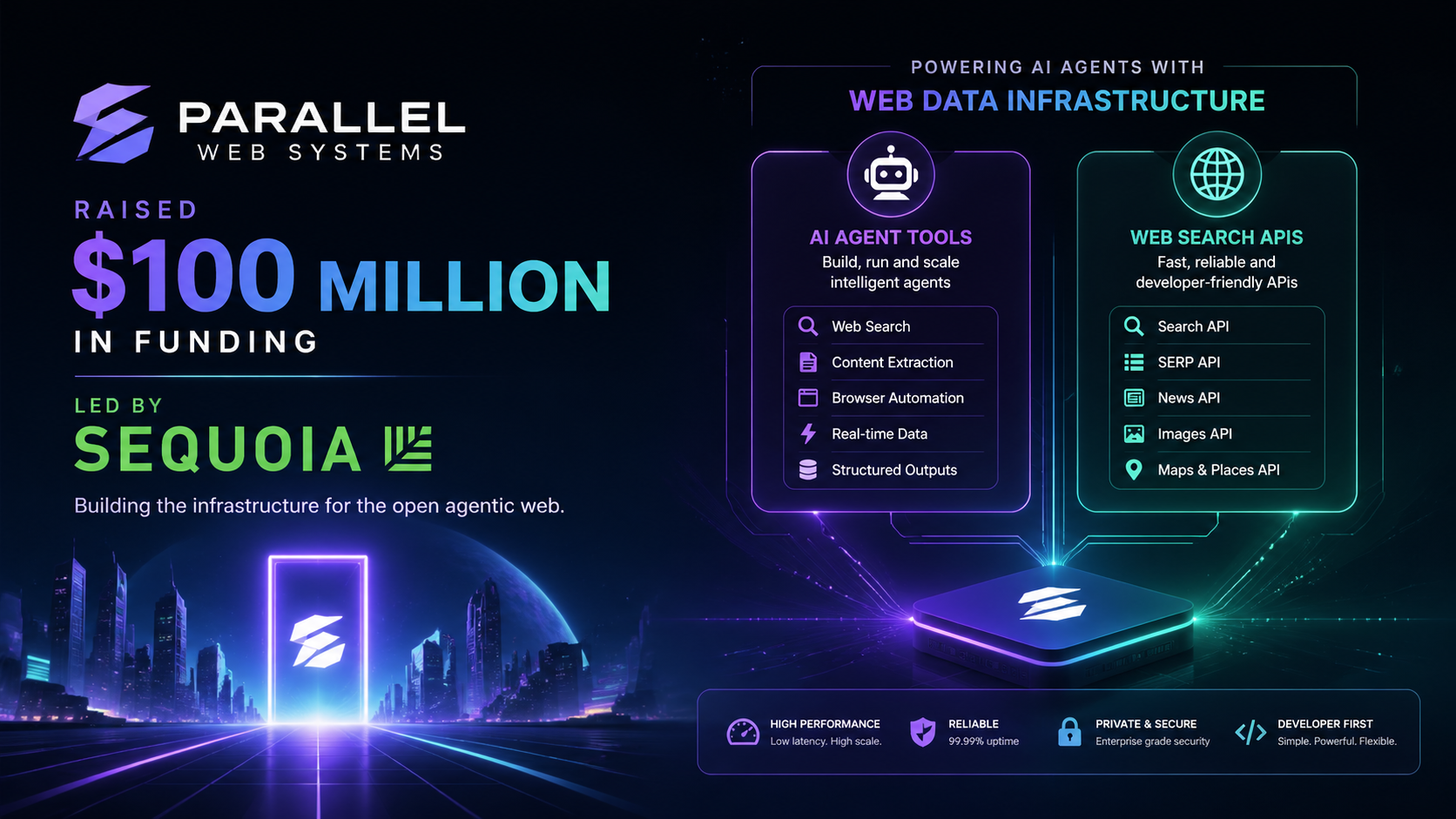
Parallel Web Systems has surged to a $2 billion valuation following a significant funding round led by Sequoia Capital, signaling robust investor confidence in its groundbreaking AI-driven web technologies. This latest parallel web systems funding, including a $100 million investment spearheaded by former Twitter CEO Parag Agrawal, highlights the escalating interest in AI agents that navigate and extract data autonomously from the web.
This milestone funding round is not just a financial boost but a strategic endorsement of Parallel’s innovative approach to building AI agents capable of interacting with the web with a level of autonomy that challenges existing paradigms. Unlike conventional AI tools such as Perplexity or LangChain, which focus primarily on data retrieval and synthesis, Parallel’s infrastructure operates more like a Chrome browser, enabling AI agents to handle complex tasks involving real-time web navigation and interaction.
A critical challenge that Parallel Web Systems addresses is the rampant bot-detection mechanisms embedded in modern websites. These security measures, designed to prevent automated scraping and interactions, pose substantial obstacles for AI agents looking to perform autonomous workflows at scale. Parallel’s technology incorporates sophisticated evasion and compliance techniques, allowing its agents to maneuver through site restrictions while maintaining operational stealth and integrity, a capability few competitors have achieved effectively.
The core product driving this valuation is Parallel’s Research API, which facilitates seamless interaction between AI agents and web environments. This API enables developers to embed autonomous web navigation directly into their applications, unlocking new possibilities for automated research, data aggregation, and dynamic content generation. Such capabilities position Parallel as a formidable competitor in the AI-driven search and automation markets, areas traditionally dominated by giants like Google.
Parag Agrawal’s role as lead investor injects not only capital but also substantial industry expertise as he leverages his experience from Twitter to guide the startup’s trajectory. His backing has attracted broader venture interest, magnifying Parallel’s profile across the tech ecosystem. Observers note that Agrawal’s involvement signals a shift toward more integrated, agentic workflows in AI, where agents operate independently rather than as mere tools.
This funding comes amid broader scrutiny and legal pressures on app ecosystems, notably Apple’s App Store fee lawsuits that have rippling effects on software distribution economics and innovation incentives. For context on these industry dynamics, readers can explore the ongoing legal battles and regulatory scrutiny in the tech sector at Apple App Store fee lawsuit Supreme Court.
Unlike traditional search engines, Parallel empowers its agents with browser-like interaction capabilities that could fundamentally disrupt search paradigms. By automating navigation, interaction, and data extraction without human intervention, it challenges the core of how information is gathered and presented online. This could pose a serious competitive threat to Google’s Search dominance, particularly as consumer and enterprise demand for AI-powered autonomous agents intensifies.
An in-depth understanding of Parallel’s technology also benefits from examining its position among other AI startups backed by high-profile figures. Industry reports confirm Parallel’s securing of funds from top-tier investors, including the high-profile involvement of Agrawal, detailed in extensive coverage such as Reuters’ report on Parag Agrawal’s $100 million AI startup funding. Further insight into Parallel’s market positioning is available in TechCrunch’s analysis.
Parallel Web Systems’ rapid ascent underscores the growing value investors place on AI technologies that extend beyond static data processing to dynamic, real-time web interaction. Their Research API is a harbinger of a new wave of agentic workflows that promise to reshape how software and AI collaborate with the internet.
As this ecosystem evolves, understanding the nuances of autonomous web navigation and how startups like Parallel overcome technical hurdles inherent in bot detection is essential for grasping the future of AI in web automation and search. This innovative approach could redefine competitive dynamics in the search engine market and catalyze new use cases in AI-powered research and automation.
The surge in parallel web systems funding not only reflects the technology’s potential but also invites further scrutiny on the implications for digital privacy, security, and the regulatory frameworks governing automated web interactions. For those interested in the evolving landscape of autonomous systems and AI agents, deeper exploration of ‘agentic workflows’ and ‘autonomous web navigation’ enriches the broader narrative of AI’s role in redefining the web.
With a $2 billion valuation and the substantial backing of leading venture capital, Parallel Web Systems stands at the forefront of this transformational shift, poised to impact how businesses, developers, and consumers engage with the web in an increasingly AI-driven future.