
Apple App Store Fee Lawsuit Heads to Supreme Court in High-Stakes Battle
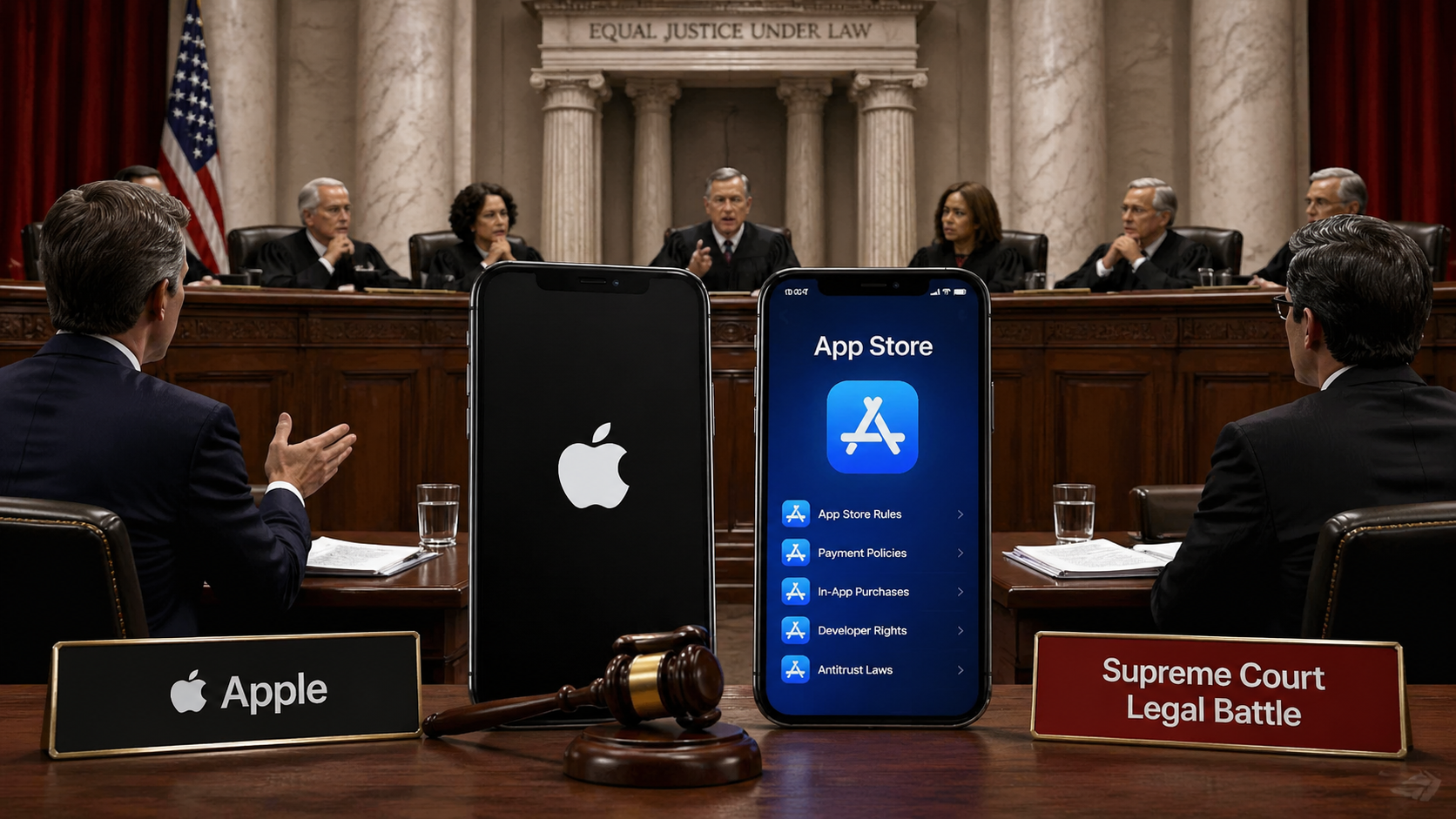
The Apple App Store fee lawsuit has escalated to the Supreme Court, signaling a pivotal moment for the technology industry and app developers worldwide. This case, which challenges Apple’s control and commission fees on its App Store, could redefine how digital marketplaces operate in the future.
The origins of this lawsuit trace back several years to the Epic Games trial, where the game developer contested Apple’s insistence on using its own payment system and the 30% commission fee imposed on app sales. This dispute has grown into a broader legal battle questioning the monopoly Apple holds over its App Store ecosystem and the fees it charges, which many developers argue are unfair and stifle competition.
In a recent development, the Supreme Court agreed to hear the case, underscoring the high stakes involved. The court’s decision could have wide-reaching effects, not only impacting Apple’s revenue model but also influencing regulatory approaches toward major tech companies. The importance of the case is highlighted by industry observers noting, “The Supreme Court’s involvement shows the complex intersection of antitrust law and digital commerce.”
Apple has maintained that its fees are justified, citing the security, privacy, and quality assurance it provides through its App Store. However, critics argue these fees hamper innovation and inflate costs for consumers and developers alike. Some economists and legal experts suggest the outcome might push Apple towards a more open app ecosystem or at least compel it to reconsider its fee structures.
This lawsuit arrives amid growing scrutiny of big tech’s market practices, particularly regarding self-preferencing—the practice where companies favor their own services on their platforms. California’s recent legislative attempt to curb such behavior failed, reportedly due to Apple-backed lobbying efforts, underscoring the company’s influence in shaping policies that affect its business model according to 9to5Mac. Such political dynamics add complexity to the legal landscape Apple faces.
Legal experts draw parallels between the Apple case and other high-profile Supreme Court cases involving major corporations, such as a recent dispute involving Cisco over human rights allegations. These cases collectively reflect the judiciary’s crucial role in balancing corporate power with broader social and economic interests Bloomberg Law reports. This context frames Apple’s lawsuit not merely as a business dispute but as part of a larger debate on corporate accountability.
One dimension often underexplored is the lawsuit’s broader impact on the app development community. Changes in Apple’s fee policies could democratize app distribution, allowing smaller developers to thrive without prohibitive costs. However, uncertainty remains about how Apple might adapt if the court rules against it, particularly whether alternative revenue models would preserve the same ecosystem benefits of security and quality.
Recent court rulings also play a significant role. A court recently reversed a pause on the Epic Games ruling, reinforcing ongoing judicial interest in the case’s outcomes 9to5Mac details this development. This move has reignited debates around the future of digital marketplaces and could accelerate changes in how app stores operate.
Looking ahead, industry analysts predict this Supreme Court case will set important precedents. If Apple is required to alter its App Store fees or business practices, other digital platforms could face similar scrutiny. This could stimulate more competition and innovation in the app economy but might also challenge established security and user experience standards.
To understand the broader implications and follow the latest developments, readers might find it useful to explore related content on digital marketplace regulations and Apple’s business practices in TechCrunch. Comprehensive coverage there provides additional layers of analysis on this evolving issue.
As the Apple App Store fee lawsuit reaches a critical juncture, its outcome promises to influence not only the company and its developers but the wider technology landscape. The Supreme Court’s decision will likely resonate far beyond one platform, shaping how digital commerce and consumer protections evolve in an increasingly connected world.
For more IT news, updates, and expert insights, explore ITFeed.