
Oracle Layoffs: Ultimate Severance Negotiation Guide
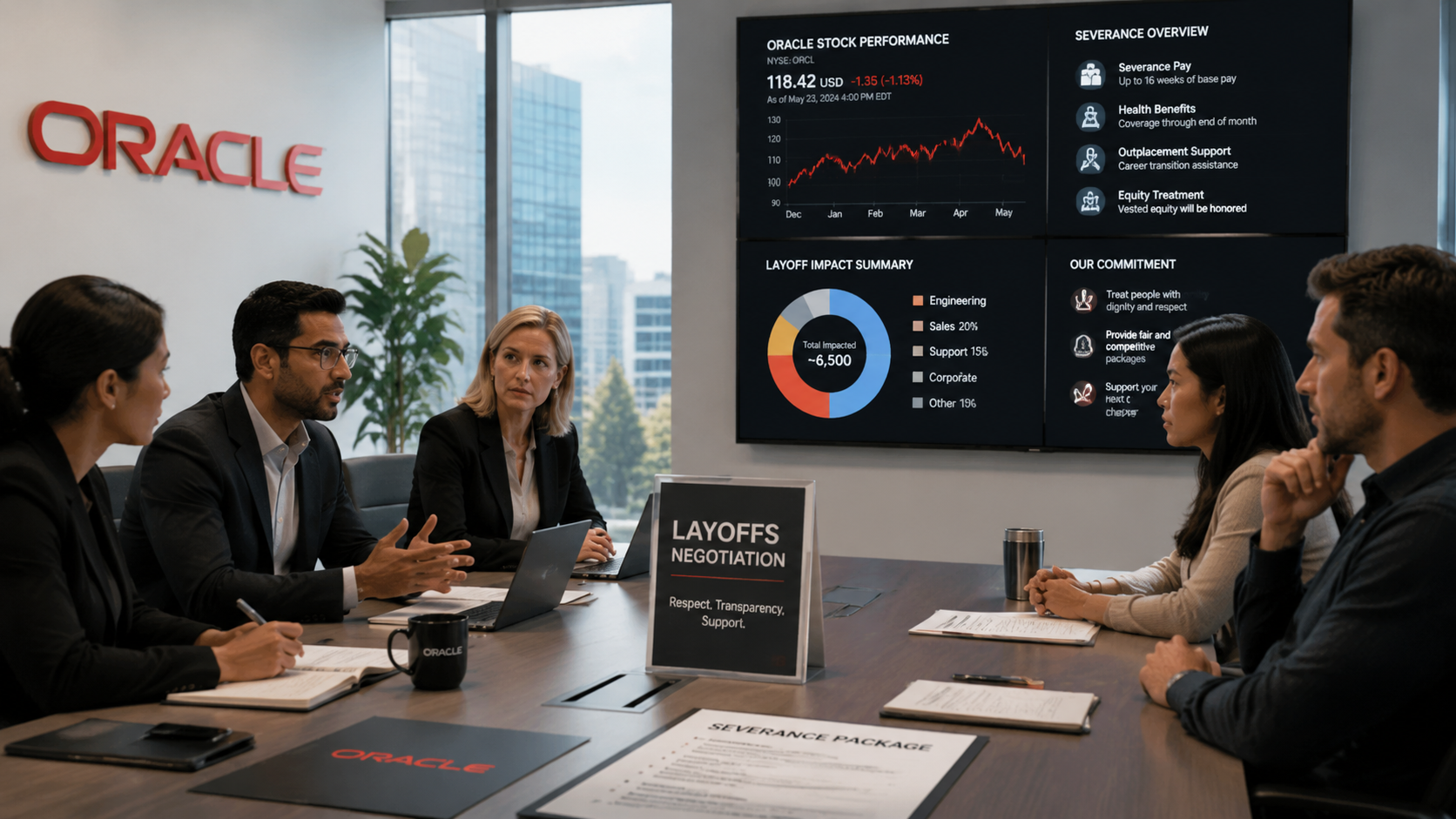
Oracle layoffs have sparked one of the most significant waves of job cuts in the tech industry this year, with hundreds of employees affected and many scrambling to understand their severance rights and negotiation options. The scale of Oracle’s workforce reduction, combined with the company’s firm stance on severance packages, has placed greater attention on layoff negotiation strategies at Oracle.
The announcements began quietly but soon grew into a broader controversy as workers shared their experiences. Reports indicate that Oracle’s severance offers differed widely, with some employees expressing dissatisfaction at the packages provided. The average severance for Oracle employees has become a benchmark for the industry this year, highlighted in discussions that question if the packages offered meet the norms expected from big tech firms. Experts analyzing Oracle’s layoff packages point to a trend of tightening severance compared to past rounds, reflecting the company’s cost-cutting priorities.
Beyond the initial shock, the laid-off workers created informal groups, notably an insider Slack channel, to organize discussions around negotiating better severance terms and share legal advice. This community-driven effort is critical given Oracle’s reluctance to entertain counteroffers. One laid-off employee noted, “We tried collective negotiation tactics to improve our severance outcomes, but Oracle maintained a strict no-negotiation policy,” a sentiment echoed in coverage reported by TechCrunch. This reflects a broader issue where tech companies like Oracle often prefer streamlined layoffs over extended negotiations.
The legal landscape surrounding Oracle layoffs is complex, especially for workers unfamiliar with their rights under employment law. Severance pay in many jurisdictions depends on factors such as length of service, role, and contract specifics. The Economic Times details how former Oracle employees can calculate their severance pay and understand their legal entitlements, a vital resource for those suddenly facing unemployment. This comprehensive guide demystifies severance pay calculations and highlights key worker rights that are often overlooked during layoffs.
When comparing Oracle to other tech giants like Google and Amazon, it becomes clear that the scale and response to layoffs vary considerably. Google’s layoffs, for example, often included more generous packages and outplacement services, while Amazon’s cuts sometimes allowed for more negotiation on severance pay. Oracle’s approach appears more rigid, which has intensified employee backlash and led to subtle hints of unionization efforts. This trend emphasizes the growing worker dissatisfaction with current industry practices.
Insider accounts reveal that some Oracle employees hoped to leverage the tight labor market to negotiate better packages but were swiftly rebuffed. The company’s blunt refusal to discuss counteroffers contrasts with recent layoffs at NVIDIA, where the CEO emphasized the potential for AI-related job creation despite workforce reductions, a message that frames layoffs within a broader innovation context. This perspective, shared in an in-depth article on NVIDIA’s strategy, illustrates how different tech companies handle workforce changes differently. NVIDIA’s approach to layoffs underscores a strategic vision for growth, highlighting the varied layoff philosophies in the tech sector.
For those navigating severance negotiations at Oracle, the path forward is challenging but not impossible. Experts recommend preparing by thoroughly reviewing employment contracts, documenting performance and contributions, and consulting legal advice where needed. Understanding that Oracle typically offers fixed severance terms may prompt employees to focus on other forms of support such as extended healthcare benefits or job placement assistance.
In light of the 2024 layoffs, Oracle’s treatment of its workforce during this transition period creates a case study in modern tech layoffs—a mix of strict corporate policies met with employee pushback and grassroots organizing. The broader implication for the industry is clear: amid growing economic uncertainty and shifting labor market conditions, companies and workers alike must redefine negotiation norms.
As the situation evolves, monitoring Oracle layoffs alongside practices at other tech firms will provide valuable insights into how severance negotiations might change moving forward. Employees tracking these developments can better position themselves by leveraging community resources, expert advice, and understanding the legal environment shaping their rights and options.
In this complex scenario, the Oracle severance package is more than just a payout—it represents a critical lifeline for many amid one of the largest tech layoffs of the year. The strategic response of workers and companies in this space will likely influence future RIF (Reduction in Force) approaches across the industry.