
Voice AI in India: Hinglish Revolution Unleashed
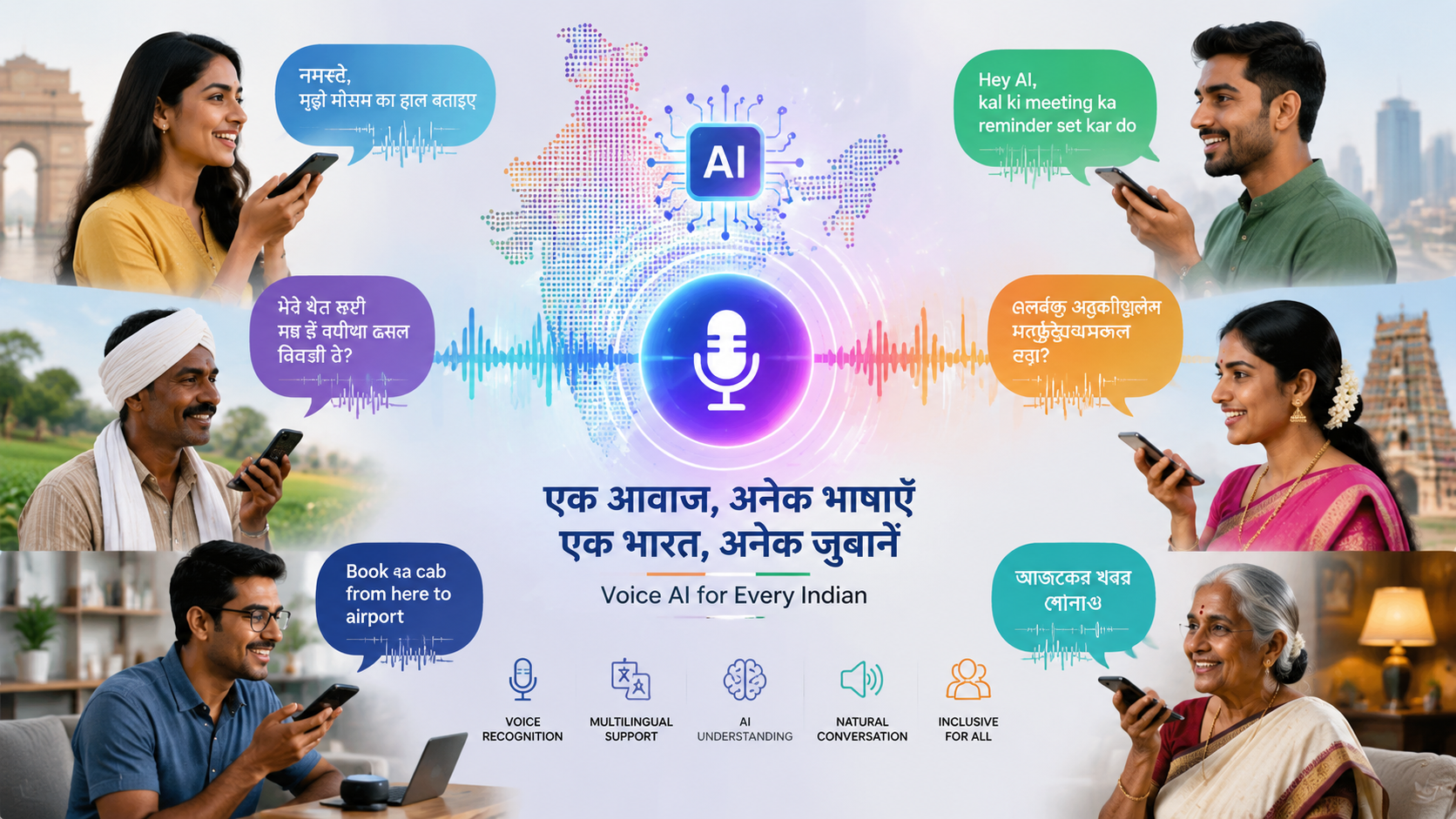
Voice AI in India is facing unique linguistic and market challenges that global tech giants have struggled to master, but startups like Wispr Flow are doubling down on solutions tailored for the country’s complex multilingual environment. India’s voice AI market is growing rapidly, driven by the demand for natural interaction across diverse languages and dialects, including the prevalent code-switching phenomenon known as Hinglish.
The Indian government’s recent data shows a surge in digital adoption, with over 829 million internet users by 2023, many seeking voice-enabled experiences. However, the complexity of India’s linguistic landscape—with more than 22 official languages and countless dialectal variations—makes voice AI in India particularly difficult to develop. Hinglish, a hybrid form mixing Hindi and English, is a prime example where conventional voice assistants falter, highlighting a critical gap in global voice recognition technology. According to Indian government releases, the evolution of voice-based interfaces is integral to bridging digital divides in rural and underserved urban areas.
While major players such as Google Assistant, Amazon Alexa, and Apple Siri have invested in local language support, they often lag in seamless Hinglish comprehension, leading to frustrating user experiences. This shortfall opens the door for homegrown innovators to leapfrog with more nuanced, culturally aware voice AI models that specifically address India’s code-switching and multilingual demands. Indian startups dominate the landscape with specialized approaches tailored for this diverse market. Platforms like Wispr Flow are spotlighted for their focused Hinglish voice recognition capabilities, directly confronting the core user pain points of linguistic complexity and inconsistent accent recognition.
The technology behind Hinglish support in voice AI involves advanced natural language processing (NLP) models trained on vast datasets that combine Hindi and English at sentence and phrase levels. This hybrid training is essential because purely monolingual models fail to capture the fluid linguistic switching typical of everyday Indian speech. Moreover, deployment strategies emphasize affordability and accessibility, targeting both urban tech-savvy users and the broader rural population, often overlooked by global companies prioritizing metropolitan consumers.
Wispr Flow’s approach includes local hiring to build culturally informed AI teams, a pricing model designed for scalability within India’s price-sensitive segments, and marketing strategies that promote the disappearance of language barriers rather than technical jargon. This method represents a significant bet on mass-market adoption, capitalizing on India’s massive and growing smartphone user base and conversational commerce trends. As detailed in a TechCrunch report, Wispr Flow’s traction underlines the potential of localized voice AI to disrupt entrenched market leaders.
The competitive landscape of voice AI startups in India is diverse and dynamic. According to data from Tracxn’s AI Startup Database, numerous ventures are focusing on multilingual voice assistant solutions that cater to India’s harshly segmented language demographics. These startups leverage large-scale data collection and machine learning infrastructure to build versatile assistants capable of handling not only Hinglish but regional languages such as Tamil, Telugu, Bengali, and Marathi. This competitive push is creating a vibrant ecosystem conducive to innovation and diverse consumer choices.
Case studies from users highlight the tangible benefits of these tailored voice AI solutions. For instance, small business owners in tier-2 and tier-3 cities report increased engagement and streamlined operations through voice-based ordering systems, which reduce literacy reliance and cater to vernacular languages. These real-world success stories underscore the transformative impact voice AI in India can have across socioeconomic strata, beyond the white-collar demographic historically targeted by international players.
Despite these advances, challenges remain. Technical issues such as background noise interference, accent recognition variability, and integration with legacy systems call for continued innovation. Startups and developers must also navigate India’s regulatory and data privacy frameworks carefully. To support developers and foster continued growth, detailed guides on building multilingual voice AI for India are becoming more accessible, highlighting best practices for training data collection, model tuning, and user experience design.
The future outlook for voice AI in India is promising. As digital adoption expands into rural and semi-urban regions, the demand for affordable, localized, and linguistically adept voice assistants will intensify. This trend aligns with broader AI market growth predicted by the government and independent research firms. Developers investing in Hinglish support and multilingual capabilities are positioned to unlock significant commercial opportunities and contribute to closing India’s digital divide.
Industry observers note the strategic value of these developments, emphasizing that voice AI’s success in India hinges on cultural and linguistic empathy rather than mere technological superiority. Businesses and startups can gain a competitive edge by prioritizing user experience tailored to India’s unique linguistic realities. For those interested in the broader impact of AI technology adoption in India, exploring how voice AI integrates with emerging services is essential. For example, the rise of AI-generated content and images in the country offers complementary growth avenues, as outlined in an analysis of ChatGPT images 2.0 and its impact in India.
As this voice AI revolution gains momentum, it signals a pivotal shift toward inclusivity and accessibility in India’s digital ecosystem. The opportunities for startups, developers, and investors are substantial, provided they embrace the intricacies of India’s multilingual landscape and leverage culturally informed technologies. The Hinglish revolution in voice AI is not only a market opportunity but a meaningful step toward democratizing digital access for millions across the nation.