
Shocking GM Privacy Settlement: $12.75M California Fine
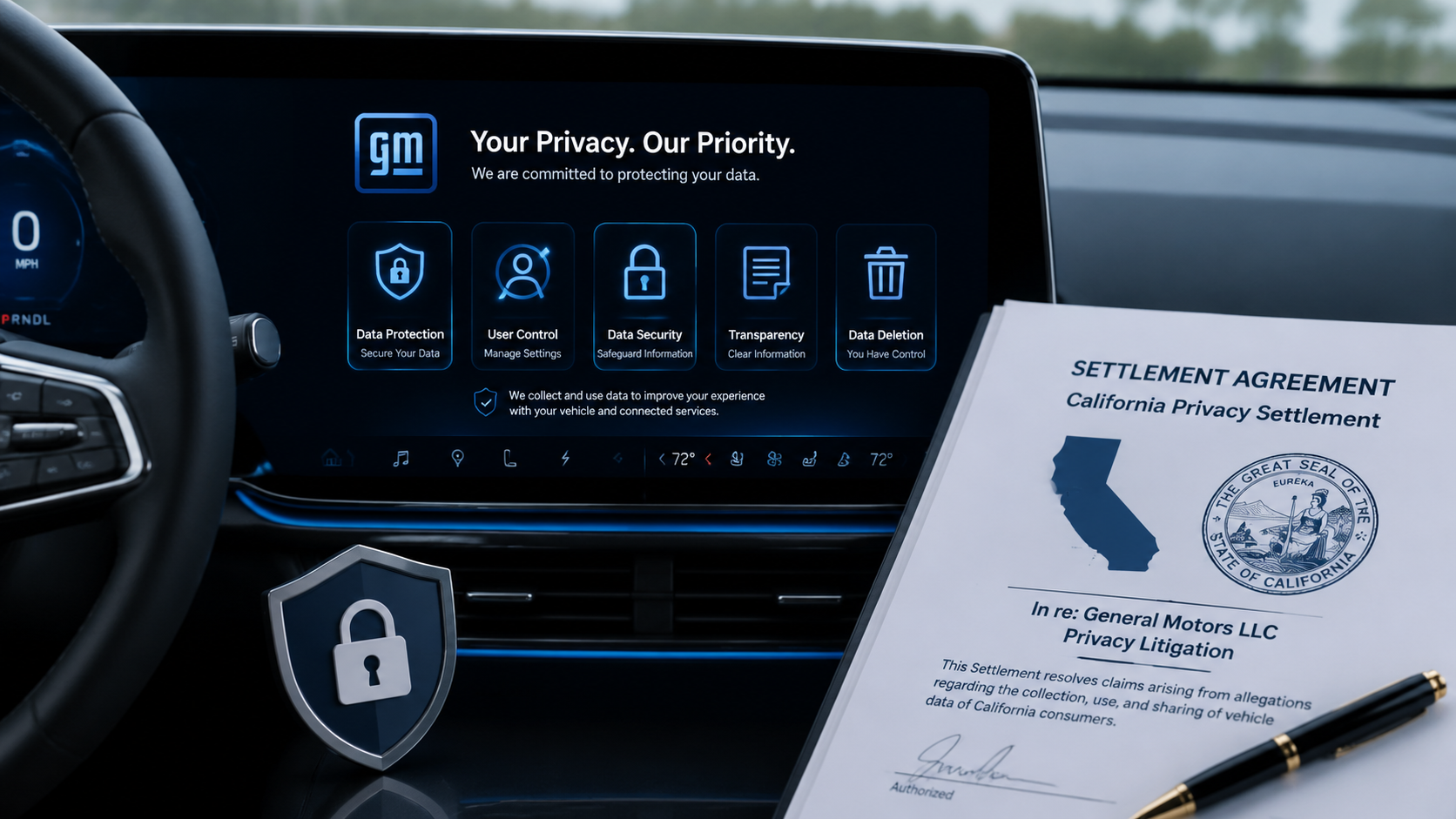
General Motors (GM) has agreed to a $12.75 million settlement over allegations of violating California driver privacy laws by improperly collecting and selling vehicle data through its OnStar system. This GM privacy settlement marks a significant moment in the scrutiny of automotive data practices, spotlighting how driver information is handled under evolving digital privacy regulations.
The case centers on GM’s OnStar telematics service, which collects data from vehicles, including location information, driving habits, and other personal details. California’s Attorney General launched the investigation after complaints that GM sold this data without explicit driver consent, breaching the California Consumer Privacy Act (CCPA). The settlement requires GM to pay the substantial fine and change its data collection procedures, underscoring heightened regulatory expectations for automakers.
This legal action unfolds against the backdrop of increasing concern about vehicle data privacy and the expanding capabilities of connected cars. As vehicles like GM’s equipped with Super Cruise driver-assist technologies generate vast amounts of data, protections around this information have struggled to catch up. Experts note that “vehicle telematics privacy is an emerging field that demands rigorous oversight,” reflecting a broader shift in how automotive privacy is perceived.
The $12.75 million penalty, as reported by major outlets including TechCrunch, represents one of the larger fines related to automotive data privacy in the U.S. This follows similar actions against other automakers, such as Tesla, though GM’s fine is notable for its specific focus on California’s strict privacy laws.
Details of the settlement reveal that GM must overhaul its privacy policies for OnStar and other connected services. The company will also implement new practices to ensure full disclosure to drivers about what data is collected and how it is used or shared. “Transparency and driver consent are the pillars of this settlement,” said a spokesperson for the California AG’s office, emphasizing the legal duty to protect personal driving information.
For GM owners, this development raises important questions about what personal data their vehicles share and how it might be protected in the future. The settlement clarifies that consumers have a right to know when their data is being sold or shared, repositioning driver privacy at the forefront of automotive technology considerations.
In light of the GM privacy settlement, drivers using OnStar or related services should review their privacy settings and agreements closely. Consultations with legal experts suggest that many vehicle owners could qualify for claims under the class action provisions detailed in the case, which addresses unauthorized data usage. Guidance on how to file claims has become a critical resource for affected customers.
This case also sets a precedent, potentially influencing future automotive privacy regulations. Given the increasing complexity of “smart car data security,” regulatory bodies may expand oversight beyond California to protect drivers nationwide. Analysts view this as a wake-up call to the auto industry about balancing technological innovation with robust data privacy safeguards.
Meanwhile, broader implications touch on how automotive companies communicate about data collection generally. Automotive privacy laws are not uniform, but California’s leadership in technology and consumer protection is pushing national and even global standards upward. This aligns with consumer demand for greater control over personal information across all sectors, as highlighted in Reuters coverage.
Drivers concerned about the security of their vehicle data may also find value in exploring precautions beyond consent forms. Practical steps include disabling unnecessary telematics features where possible and regularly updating software, which can mitigate risks tied to “location tracking privacy” and unauthorized third-party data sharing.
Comparatively, this settlement exceeds others in scale and focus but echoes common themes seen in data privacy disputes in the automotive sector. For instance, Tesla recently faced litigation over similar privacy concerns, though GM’s case highlights specific violations under state law with harsher penalties. Such comparisons underscore the ongoing challenge automakers face in adapting to complex legal landscapes around driver consent and data use.
For those interested in deeper insights into the technological vulnerabilities in automotive systems, resources detailing cybersecurity threats such as hackers exploiting cPanel vulnerabilities provide a broader understanding of the risks modern vehicles face beyond just privacy law violations.
In summary, the GM privacy settlement exemplifies the intersection of automotive innovation and privacy law enforcement in California. It signals a firm stance against unauthorized use of driver data and provides a roadmap for how automakers should evolve their data practices to meet consumer expectations and regulatory demands.
Affected GM owners should stay informed about how this settlement impacts their rights and consider filing claims if their data was mishandled. As connected vehicle technologies advance, cases like this will likely shape the future of vehicle telematics privacy nationwide, urging both consumers and manufacturers to prioritize transparency and security.
This settlement is a clear message: automotive data privacy is no longer a peripheral issue but a central element of consumer protection and corporate responsibility in the era of smart vehicles.