California Driverless Permit Boosts Nuro, Uber Robotaxis
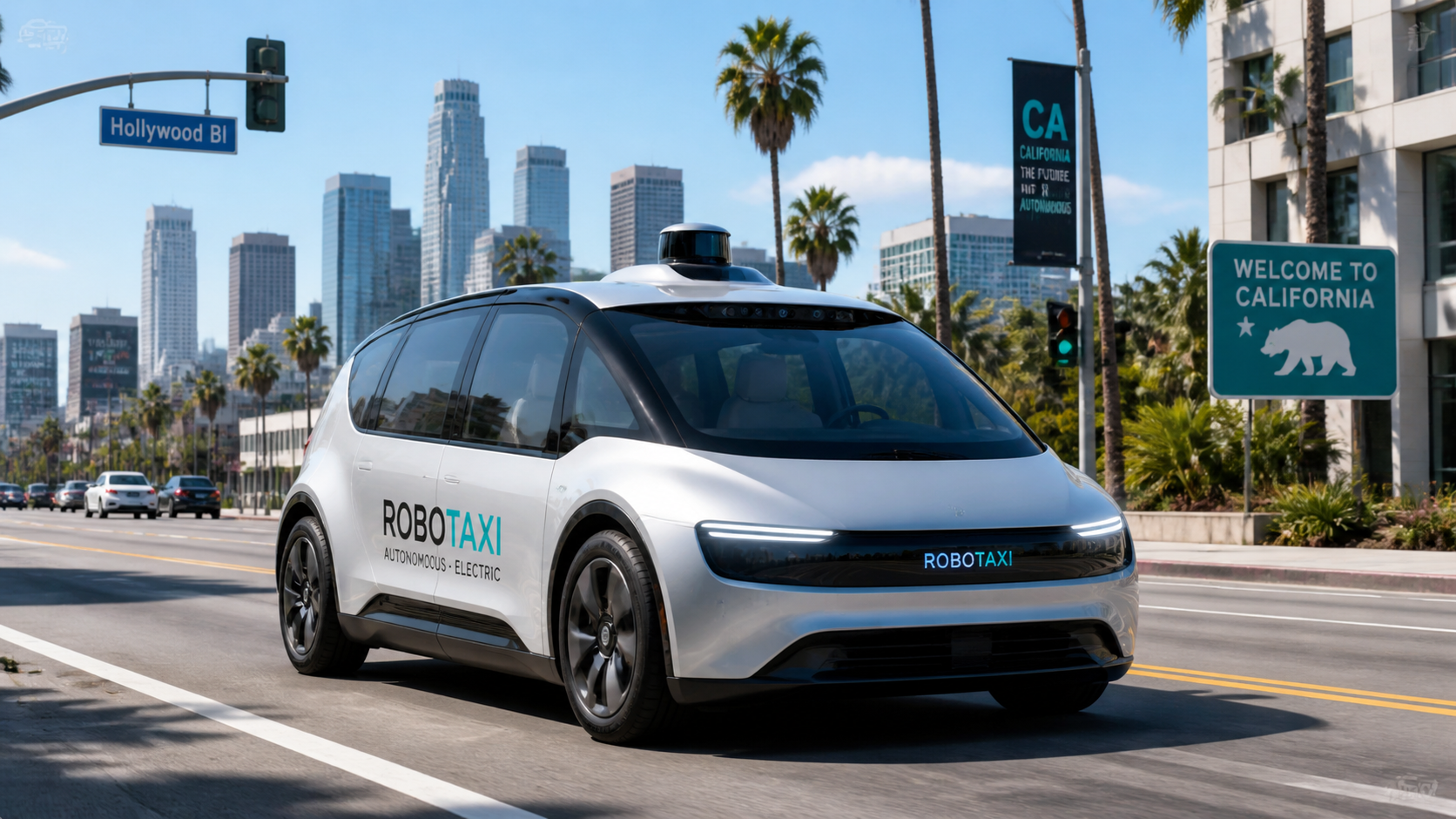
The California driverless permit emerges as a pivotal enabler for companies like Nuro and Uber to advance their autonomous vehicle ambitions. This regulatory clearance authorizes expanded driverless testing within the state, making California a crucial proving ground for next-generation self-driving innovations.
Nuro, a Silicon Valley startup specializing in autonomous delivery vehicles, recently secured a driverless testing permit from the California Department of Motor Vehicles (DMV). This permit allows Nuro to operate its driverless vehicles on public roads without a safety driver behind the wheel, marking a significant step forward in the company’s effort to scale its autonomous delivery services. According to the California DMV autonomous vehicle testing permit holders list, Nuro’s inclusion underscores its expanding operational capacity under state regulations.
Parallel to Nuro’s progress is Uber’s strategic push into robotaxi deployment, enabled by the broader regulatory momentum from the California driverless permit framework. Uber’s recent collaboration involves integrating autonomous technology into its ride-hailing ecosystem in partnership with Hertz, aiming to power both autonomous robotaxi and driver-led fleet operations. As detailed in Uber’s official press release, these developments are part of a multi-year investment plan targeting commercialization and urban mobility transformation.
Behind the scenes, Nuro’s technical advancement includes integrating sophisticated autonomous driving systems — including sensor fusion, real-time data analytics, and AI-powered navigation algorithms — to navigate complex urban environments without human intervention. However, less publicly detailed is how its vehicle platform compares with competitors such as Waymo or Cruise, which currently dominate industry headlines with extensive pilot programs and substantial safety records.
Safety data across California’s rigorous autonomous vehicle testing permits indicates a cautious but optimistic progression, with fatalities or serious incidents being rare under the controlled testing conditions. The state’s DMV continues to fortify its regulatory framework to balance innovation with public safety, making the California driverless permit a benchmark for similar efforts nationwide.
The timing of these permits is crucial for Uber’s robotaxi rollout timeline. By securing necessary clearances ahead of large-scale deployment, Uber can test routes, refine AI decision-making, and establish operational protocols to meet safety and consumer expectations. This pre-testing phase is essential in an industry where regulatory approval cycles and public acceptance heavily influence market readiness.
Nuro’s position as a Silicon Valley pioneer is reinforced with this permit, further distinguishing it from other startups less favorably situated within this regulatory landscape. The company’s focus on autonomous delivery vehicles is gaining traction, supported by its permissive testing status and partnerships with retail and logistics companies detailed on Nuro’s official company page. This niche allows Nuro to carve a distinctive path in the autonomous vehicle sector focusing on last-mile delivery rather than passenger transit.
From a broader industry perspective, the California driverless permit reflects expanding regulatory acceptance that is critical to the future viability of autonomous technologies. It highlights how governmental bodies and companies are jointly navigating technical challenges and public concerns to establish operational norms. This environment fosters innovation while emphasizing continuous safety validation.
Investments flowing into this sector—both private and public—and reports suggest that companies like Uber are committing billions to autonomous vehicle technology and infrastructure, emphasizing the importance of securing driverless permits early. These permits underpin heavy financial and technological commitments, helping build confidence among stakeholders and potential users.
The California driverless permit plays a dual role: facilitating innovation while anchoring regulatory scrutiny and operational prudence. As Nuro and Uber capitalize on this enabling policy environment, their successes and challenges will inform how other states and countries approach autonomous vehicle testing and deployment. This development signals not just technological progress but a shift in urban mobility paradigms.
For readers following the evolution of autonomous vehicles, this regulatory milestone provides a lens on how companies maneuver legal frameworks to scale complex technologies. To explore related advances in AI and job creation across tech sectors, readers can visit insights on AI-driven job impacts.
In conclusion, the California driverless permit is more than a bureaucratic step; it is becoming a cornerstone for industry leaders like Nuro and Uber to innovate, test, and eventually deploy autonomous vehicles at scale. With continued regulatory support and technological refinement, these developments could soon redefine consumer transportation and delivery services across major urban centers.