
Revolutionary Android iPhone End-to-End Encryption Live!
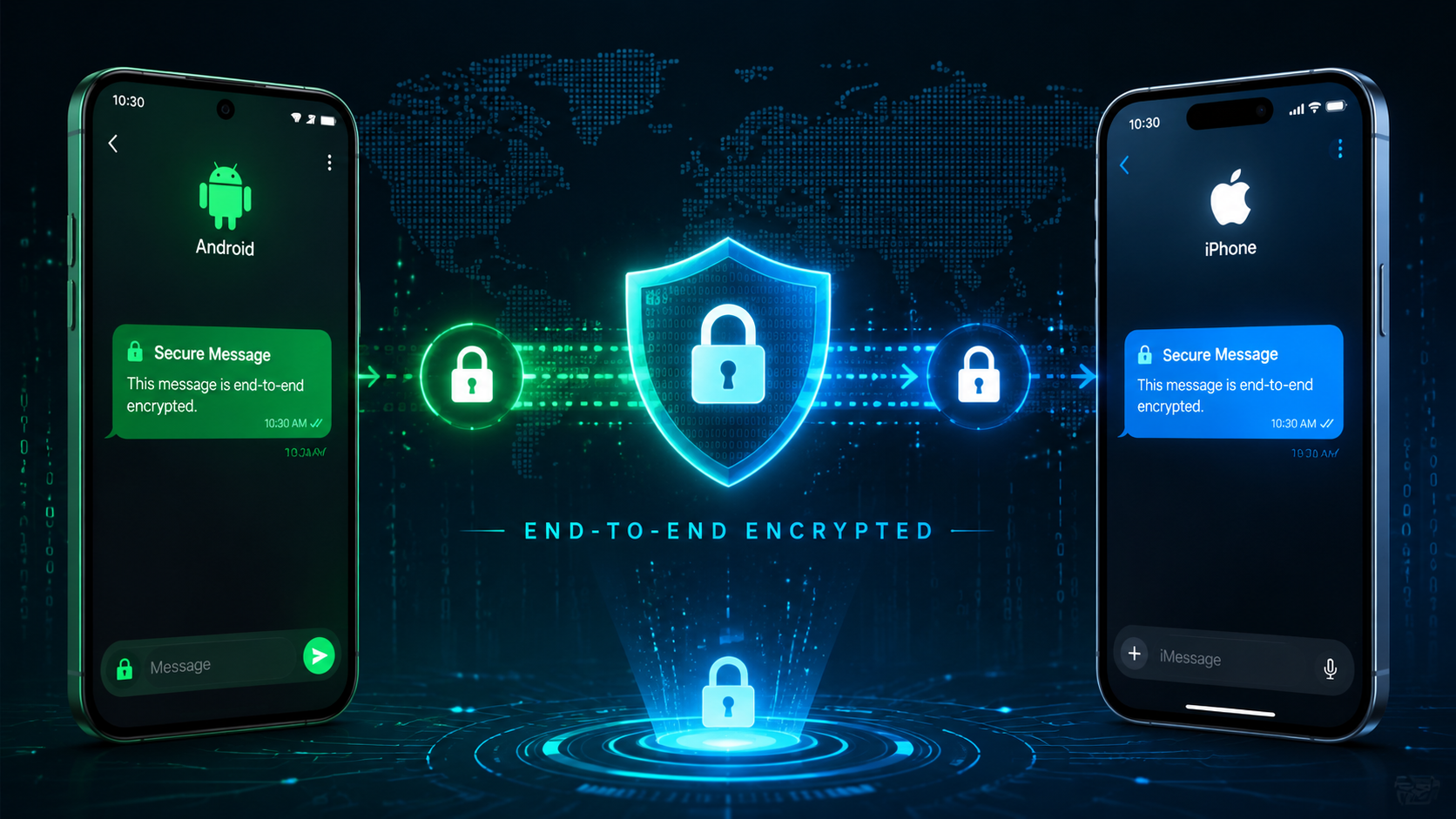
The latest update to Android and iPhone messaging marks a significant milestone with the introduction of end-to-end encryption (E2EE) across platforms using Rich Communication Services (RCS). This long-awaited feature addresses persistent privacy concerns by enabling secure, encrypted conversations between Android and iPhone users, straight from the native messaging apps.
RCS, often hailed as the successor to SMS and MMS, brings advanced communication features such as read receipts, typing indicators, and high-resolution media sharing. However, until now, its lack of universal end-to-end encryption kept users wary, especially when messaging between platforms. The new rollout, coinciding with Apple’s iOS 26.5 update and recent enhancements to Google Messages, finally closes this gap by introducing robust encryption protocols that protect messages from interception and unauthorized access.
The implementation relies on an updated E2EE protocol specifically tailored for cross-platform interoperability. Unlike traditional encryption schemes limited to single ecosystems, this solution integrates seamlessly between Apple’s iMessage infrastructure and Google’s RCS framework. According to reports from the recent Apple Worldwide Developers Conference (WWDC), this change stems from extensive collaboration between Apple and Google engineers, emphasizing security audits and compliance with industry standards to ensure no compromise on data privacy. As detailed by MacRumors, users will notice encrypted message threads distinguishing themselves visually within the Messages app interface.
Despite these advancements, the rollout is gradual. Not all carriers or devices support the new Android iPhone end-to-end encryption immediately, and users must have their messaging apps updated to the latest versions—Google Messages on Android and Messages on iOS 26.5 or newer. On Android, RCS features including E2EE require carrier and operator support, and some users may experience a delay based on their network. Moreover, encryption activates only in one-on-one chats; group conversations still rely on conventional safeguards.
This update addresses a fundamental shortcoming of SMS and MMS, which have long lacked strong security, leaving users vulnerable to interception and spoofing. Previously, iMessage offered end-to-end encryption solely for iOS users, creating fragmentation especially when texting Android counterparts. The new cross-platform encryption levels the playing field, enhancing user trust and encouraging broader RCS adoption globally. Detailed insights into the technical underpinnings reveal how the protocol encrypts message payloads using ephemeral keys exchanged during session setup, modeled after existing secure messaging frameworks but adjusted for carrier network constraints.
Practical guidance becomes essential as users adapt to these changes. For those new to RCS and encrypted messaging, configuration typically involves enabling chat features in messaging app settings and verifying that encryption indicators appear during conversations. Comprehensive tutorials explaining how to use enhanced RCS messaging and activate encryption across devices can be accessed via this detailed guide on messaging apps, helping users optimize their experience without third-party apps.
Comparisons to established encrypted messaging platforms like Signal or WhatsApp highlight distinct pros and cons. While Signal’s protocol offers open-source transparency and multi-device sync, native RCS encryption benefits from deep integration into default messaging clients, reducing friction for everyday users uninterested in installing separate apps. Security experts note the importance of ongoing third-party audits, with Apple and Google committing to continuous improvements as usage scales.
As adoption grows, so does anticipation for future enhancements, including encrypted group messaging and broader carrier support. Industry watchers underscore the significance of this development within the broader movement toward universal secure messaging standards, potentially diminishing reliance on proprietary systems.
The update also impacts user experience beyond security. With encryption, users can confidently share sensitive data, such as personal information and media, without fear of exposure. According to CNET, the encryption feature visually designates protected conversations, improving transparency and user awareness.
However, limitations remain. Group chats still lack full encryption, and not all platforms have synchronized rollout timelines, causing fragmentation during the transition period. Early adopters might encounter interoperability issues or experience features toggling depending on app versions and carrier configurations. For this reason, staying informed through reliable sources such as The Verge’s coverage is recommended to track developments and troubleshoot common problems.
In conclusion, the launch of Android iPhone end-to-end encryption via RCS embodies a major step toward unified, secure messaging across mobile platforms. By bridging longstanding security gaps, this innovation not only enhances user privacy but also fosters deeper collaboration between tech giants Apple and Google. As more users update their devices and carriers expand support, the era of truly interoperable encrypted messaging begins to materialize, promising safer digital communication worldwide.