
AI Image Generator Skyrockets App Growth, Beats Chatbots
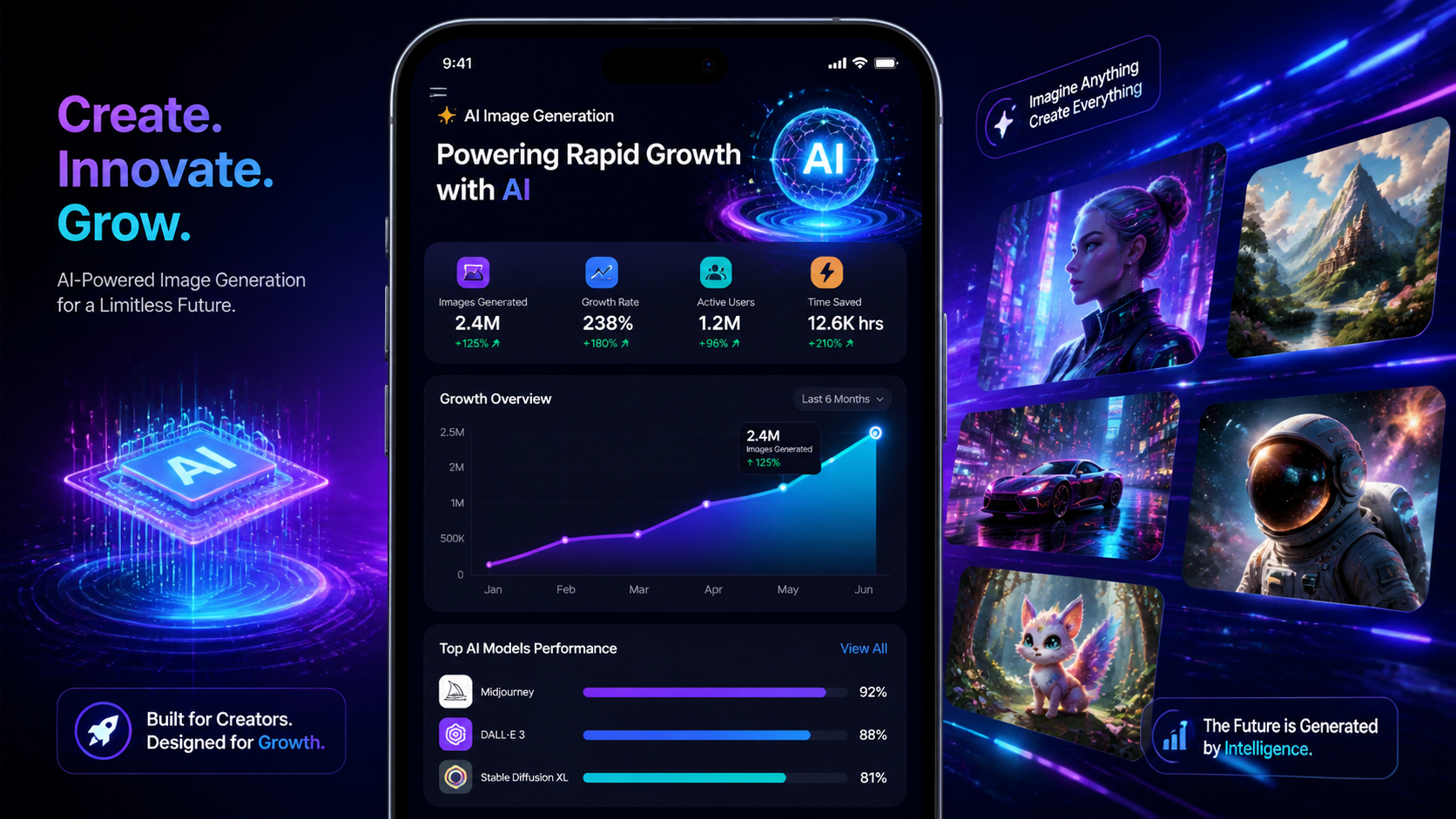
AI image generator technologies are rapidly outpacing chatbots in driving app growth, signaling a major shift in how developers leverage artificial intelligence to boost user engagement and revenue. Recent data reveals explosive download surges for apps integrating advanced generative AI image models such as DALL-E and Midjourney, underscoring the commercial potential of image-based AI features.
The popularity of AI-powered image generation tools has soared due to their ability to create visually compelling, customizable content on demand, a feature highly attractive to app users. Unlike chatbots, which primarily provide text-based interactions, image AI models enable dynamic visual experiences that increase user retention and stimulate viral sharing—a key factor in app store optimization and growth hacking strategies.
Sensor Tower’s recent insights spotlight how apps equipped with generative AI image models achieve significantly higher engagement metrics. This data is crucial as it quantifies the impact of integrating such technology into consumer apps, showing a strong uptick in downloads and user session length compared to chatbot-based updates. The enduring appeal of image AI also aligns with trends toward multimodal AI capabilities that blend text, images, and even audio for richer user interactions.
Among developers, the choice between models like Midjourney and Stable Diffusion centers on factors such as image quality, customization, and the availability of APIs. Midjourney offers impressive artistic style generation but can be more resource-intensive, while Stable Diffusion appeals for its open-source flexibility and broad adoption across free AI image generator apps. Selecting the right generative AI for apps depends on intended use cases, such as real-time image generation or AI photo editing, as well as privacy and ethical considerations increasingly scrutinized by users and regulators alike.
App developers are also exploring monetization avenues using image AI, from offering premium filters and AI-generated effects to integrating image AI directly into consumer subscription models. These strategies differ significantly from chatbot monetization, which often hinges on conversational commerce or customer service automation. In the broader context, the rapid expansion of AI art generator apps is tying closely to emerging revenue streams, as detailed in market forecasts about the sustainability of generative AI in apps through 2026.
Leading image AI apps capitalizing on this trend include DALL-E, Midjourney, and open-source Stable Diffusion variants. These platforms demonstrate how combining technical innovation with user-friendly interfaces encourages adoption across app categories such as social media, gaming, and e-commerce. Moreover, the evolution of generative AI in apps is prompting shifts in developer focus toward multimodal AI, which integrates text-to-image with other AI functionalities to meet diverse user demands.
A critical dimension to consider is the ethical framework and privacy policies guiding these apps. Unlike chatbots, AI image generators raise concerns related to copyright, image ownership, and potential misuse of generated visuals. App creators must navigate these risks to maintain user trust while complying with evolving regulations. Frameworks for ethical use, such as transparent data usage disclosures and moderation of generated content, are becoming integral to successful AI app deployment.
This trend also reflects evolving user preferences, with consumers increasingly valuing visual content as a primary mode of engagement. The rising dominance of image AI over chatbots in app growth metrics suggests broader shifts in digital interaction paradigms. As apps continue to adopt real-time image generation technologies, the marketplace is expected to see more innovation in AI photo editing apps and interactive visual tools that further differentiate user experiences.
To understand the broader landscape of this rapid development, industry observers can reference Visual Capitalist’s charted growth of generative AI apps, which highlights the upward trajectory and diversification of AI-powered applications. The integration of generative AI for apps has proven a formidable boost for app growth, eclipsing traditional chatbot-driven features by offering richer, more engaging visual content.
Further analysis on the evolving role of AI visuals compared to conversational AI can be explored in-depth at TechCrunch’s coverage on ChatGPT images 2.0, which underscores the global impact and adoption trends of advanced image generation tools in app ecosystems.
As app developers evaluate future AI strategies, the evidence strongly favors prioritizing image AI integration for user acquisition and retention. The combination of visual creativity, engagement, and monetization potential positions AI image generators as a key growth engine in the competitive app market. This shift not only redefines user experience expectations but also introduces new challenges and opportunities in app innovation and regulation.
Looking ahead, the sustained momentum behind AI image generation technologies suggests these tools will continue to outpace chatbots as the preferred AI feature in apps. Developers aiming to capitalize on this trend must stay informed of model advancements, user ethics, and successful monetization pathways to maintain a competitive edge in an increasingly AI-driven digital economy.