
Lime IPO Sparks Electric Scooter Boom
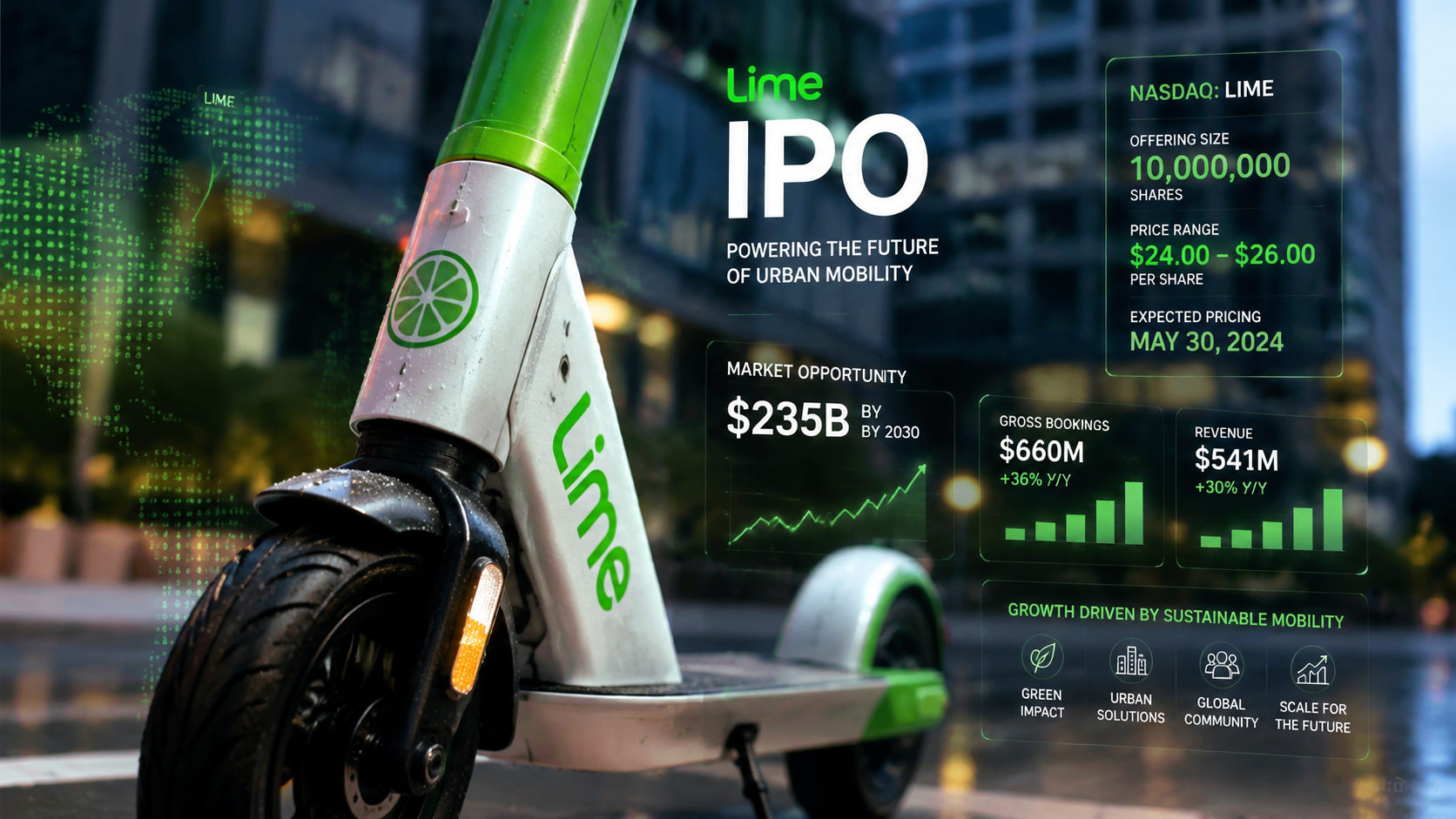
The Lime IPO presents a high-stakes gamble in the electric scooter market, marking a turning point for shared mobility startups navigating public markets. As one of the most anticipated electric scooter IPOs this year, Lime’s public offering reflects not only the culmination of years of growth and funding rounds but also the risks and challenges inherent in scaling urban micro-mobility in a shifting regulatory and competitive landscape.
Founded in 2017, Lime has emerged as a dominant player in the scooter sharing companies space, attracting investment from Uber and other major backers. However, the path to IPO was anything but smooth. The pandemic severely disrupted mobility patterns, although it also accelerated interest in sustainable transportation alternatives. Lime’s history includes significant funding rounds that supported rapid geographic expansion, but these gains came with complex regulatory hurdles in key cities, where concerns over user safety and urban space management persist.
Financially, the Lime IPO is poised to shed light on the viability of electric scooter companies as public entities. The firm’s recent filings and industry analysis suggest mixed signals: strong revenue growth tied to increasing urban adoption competes with rising operational costs and regulatory compliance expenses. These factors contribute to questions about profitability timelines and investor appetite. Comparisons to competitors such as Bird, also targeting public listings, and Uber—whose investments and ride-hailing platforms intersect with the micromobility sector—underscore the stakes involved.
An article from Yahoo Finance notes that Lime’s financial projections incorporate ambitious goals to expand in both North American and European cities, offering a glimpse into the strategic calculus behind this IPO push. Yet, the company must also grapple with evolving regulatory environments, especially in cities where scooter bans or restrictions remain a threat.
Beyond financials and regulations, the environmental impact of Lime’s electric scooters adds layers of complexity to the IPO narrative. Electric scooters offer a low-emission alternative for last-mile urban transit, aligning with growing ESG investment trends and public interest in sustainable mobility. However, concerns persist about scooter lifecycle emissions, battery disposal, and street clutter. Analysts anticipate that Lime’s future public disclosures will increasingly spotlight these issues as part of corporate responsibility reporting.
The gamble inherent in the Lime IPO also revolves around market timing and investor sentiment. Some industry insiders view the IPO as a litmus test for EV mobility startups more broadly, gauging whether mass-market enthusiasm for shared electric micro-mobility translates into sustained capital markets success. Lime’s pricing and valuation mechanisms will likely be scrutinized for indications of broader trends affecting shared mobility IPOs.
Readers interested in deeper context on vehicle regulations and autonomous transport interplay near tech hubs can explore insights offered in California driverless permit developments impacting Uber and Nuro robotaxi programs, which share a common thread in urban mobility innovation ecosystems.
Additionally, Lime’s journey reveals a broader narrative on how startups navigate the volatility between high growth ambitions and public market realities. The company’s documentation and executive remarks underline a strategic balance between scaling market share and addressing the tangible risks of regulatory pushback and public safety concerns.
For prospective investors and market watchers, understanding Lime’s approach to these challenges is crucial. Financial strategies including possible SPAC considerations, cash flow management, and infrastructure investments will likely come under close examination following the IPO. Furthermore, as detailed in a Yahoo Finance feature, the micromobility sector’s evolution is tightly linked to regulatory outcomes and technological advancements in battery and vehicle design.
In parallel, Lime’s competitors face similar pressures, with Bird also preparing for public entry and Uber recalibrating its micromobility focus amid shifts in ride-sharing demand and urban mobility patterns. This competitive landscape underscores the strategic inflection point Lime confronts with its IPO, highlighting the potential rewards and perils.
Sustainability and safety metrics are expected to feature prominently in future corporate communications, as public and investor scrutiny of electric scooter operations continues to intensify. Data on user incidents, compliance with city regulations, and environmental assessments will be critical to shaping Lime’s post-IPO narrative.
An in-depth look from Yahoo Finance suggests that the company will invest heavily in technology upgrades and infrastructure to maintain competitive advantage and ensure regulatory adherence.
Ultimately, the Lime IPO encapsulates a multifaceted gamble on the future of shared urban transportation. Success or failure will reverberate beyond Lime as a company, influencing investor confidence in the electric scooter and broader EV mobility sectors. Its outcome may well define the contours of sustainable urban transit innovation for years to come.