
Unexpected Apple Mac AI Demand Sparks Mac Shortage
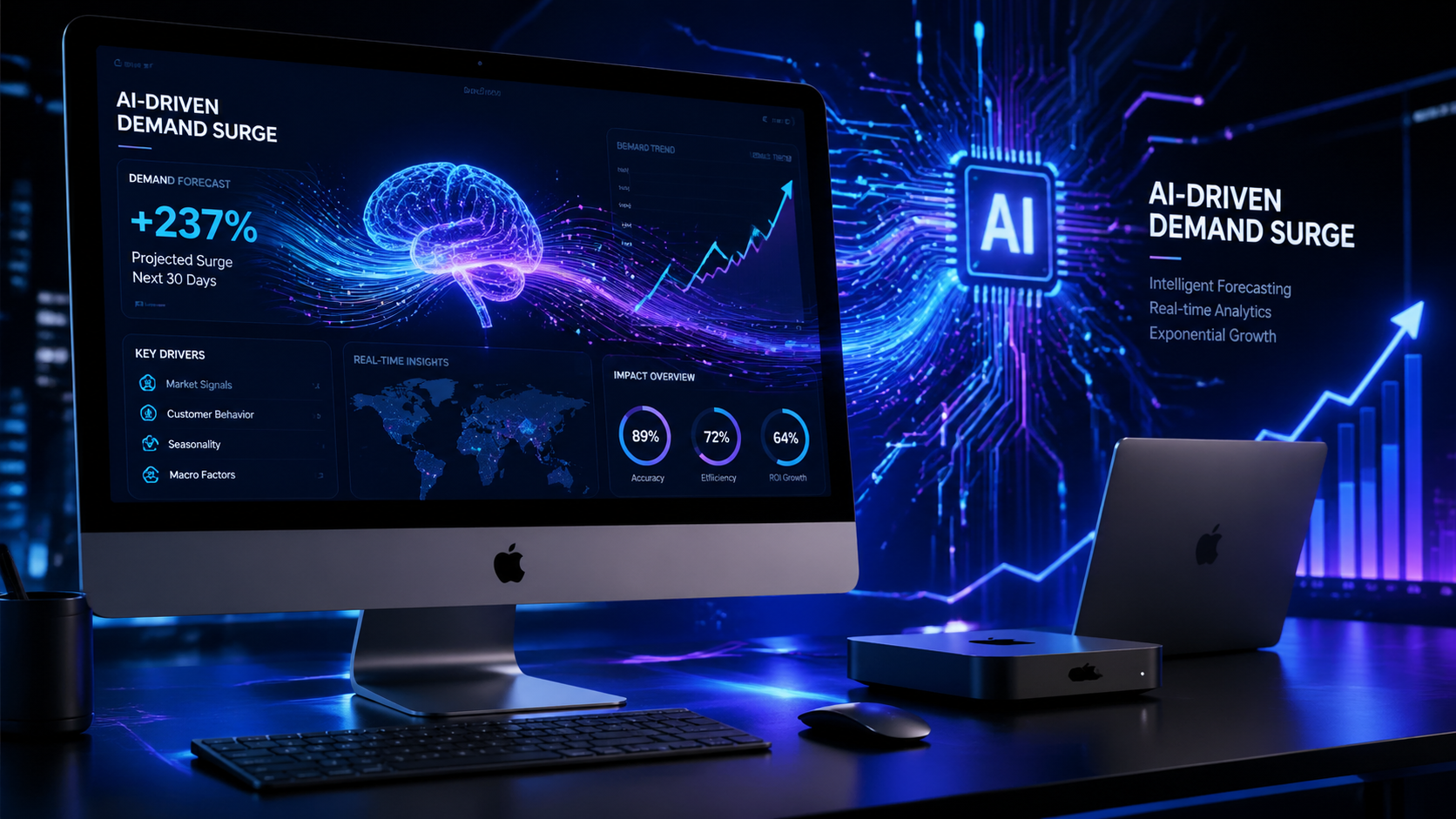
Apple Mac AI demand has caught both the company and industry analysts off guard, driving a surprising shortage of Mac devices tailored for artificial intelligence workloads. This unexpected surge has emerged despite lingering supply chain challenges affecting tech hardware broadly.
According to recent analysis, Apple’s unified memory architecture and the inclusion of the Neural Engine have made Macs especially suited for AI applications, outperforming many PC rivals in efficiency and speed. This has fueled increased interest from both enterprise clients and individual consumers seeking to leverage AI capabilities for tasks such as machine learning, creative workflows, and data processing. An insightful report from Bank of America underscored how the sophisticated chip design in Macs is a key differentiator in meeting AI’s demanding computational requirements.TechCrunch reported that Apple itself underestimated the rapid escalation in AI-driven Mac purchases, catching the company off guard in the early months of 2026.
This demand spike is not only heightening sales figures but also intensifying shortages, particularly of the Mac Mini, as detailed by The Wall Street Journal. The supply constraints stem from a combination of factors including ongoing global chip shortages and Apple’s strategic prioritization of its AI-optimized Mac models. The WSJ noted that these shortages might continue to persist into the near term, posing challenges for consumers and businesses alike.
Sales data from Apple’s latest earnings report confirms the significant upward trend. Mac unit sales have grown by double digits year-over-year, driven predominantly by the traction in AI workloads. This contrasts with other segments where supply chain bottlenecks have limited growth potentials. Reuters highlighted how Apple’s overall sales beat analyst expectations, but also flagged the supply constraints impacting the fulfillment of Mac and iPhone orders.Reuters reported on these dynamics, pointing to the AI-driven Mac sales surge as a primary catalyst.
The rising prominence of AI workloads has also sparked a debate about device suitability. While iPads have gained ground in creative and lightweight AI tasks, Macs remain the preferred platform for intensive AI computing due to their robust hardware capabilities. Enterprise adoption of Macs for AI purposes is accelerating, as detailed in a recent analysis of business trends in technology adoption.Enterprise adoption of Macs for AI suggests a growing split between consumer and professional demand, with industries leveraging Macs for AI-driven productivity gains.
Apple’s response has included ramping up production focus on its AI-optimized Mac lines and exploring chip supply resilience. Innovations such as the unified memory system allow efficient data handling between CPU, GPU, and Neural Engine, crucial for demanding AI models. For a technical dive into Apple’s AI advancements, readers can refer to detailed explorations of the company’s strategy and product innovation.Apple AI innovations showcase why the Mac ecosystem is uniquely positioned in this AI technology wave.
Comparatively, Macs hold advantages over some PC counterparts due to their architecture integration and energy efficiency, contributing to a more streamlined AI development environment. Analysts from Bank of America have upgraded their outlook on Mac sales, reflecting confidence in sustained demand driven by AI and the broader industry shift towards intelligent computing.Recent Mac product launches provide further context on how Apple’s hardware lineup is evolving to meet this market demand.
Looking ahead, industry watchers expect the Apple Mac AI demand phenomenon to continue shaping supply chain priorities and production strategies. As AI becomes increasingly central to computing tasks, Apple’s distinct approach to Mac design may carve out a competitive edge amidst persistent chip shortages and shifting consumer preferences. This trend underscores how hardware and software synergy is becoming a pivotal factor in the adoption of advanced technologies across consumer and enterprise sectors.